How to Successfully Open Your Yard in Spring?
The birds singing, the warming effect of the sun's rays… spring is particularly marked by several signs. The arrival of this season involves performing certain important tasks to once again enjoy your landscaping.
In reality, a spring outdoor cleanup at the beginning of the season is essential for a successful summer and to facilitate horticultural maintenance throughout the season. To achieve this, here are a few steps to follow.
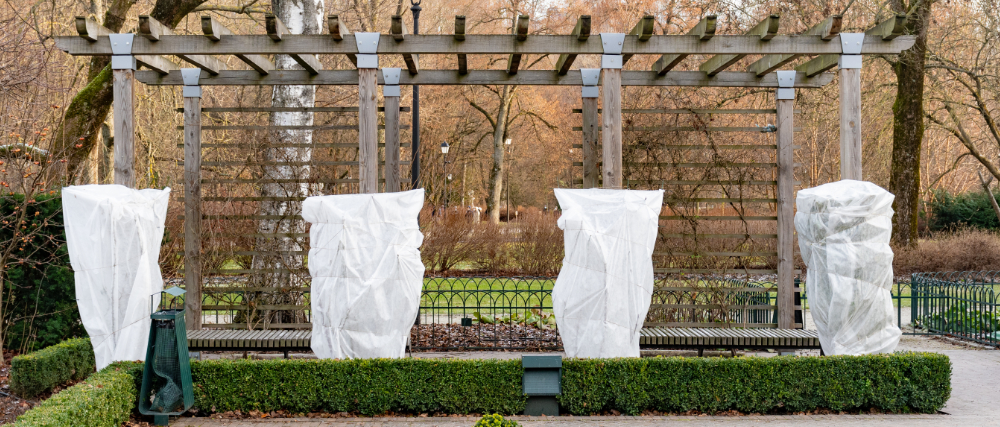
Remove winter protections
To open your yard and perform better landscape maintenance, you must first remove the protections put in place for shrubs or trees.
It's likely you planted trees in previous seasons. If so, move the trunk to check if they are rooted. If it becomes difficult, even impossible, to move them, they are rooted. The ideal is to remove the stake after one year of planting to promote the tree's movements. This approach also helps strengthen its root system with the wind.
Over time, make sure the trunk is not being choked by the tie. Do not hesitate to replace it if necessary.
Lawn preparation
Although grass is resistant, it needs some care. During the spring yard opening, it is recommended to dethatch it and give it a dolomitic lime treatment. If your soil is compact, try aerating it. To analyze its compactness, stick a pencil into the lawn. If it's difficult to push in, aeration of the lawn is necessary.
Furthermore, lawn fertilization remains a crucial step. To achieve this, you can call a professional specialized in landscape maintenance. It is also possible to spread granulated chicken manure on the lawn using a spreader when it regains its green appearance.
Pruning perennials
While most perennials are pruned during the fall yard closing, it is possible to prune certain varieties in spring, such as grasses. To prevent new foliage from growing through the dry leaves, they should be pruned as early as possible.
Regarding hydrangea flowers, they can be cut in spring if this task was missed in autumn. This step can be done with the family and children. Everyone will surely enjoy it.
Be careful not to cut cedars. You should only prune the new growth. Otherwise, the cedars may stop growing. Note that pruning of cedars and hedges should be done in July.
Dividing perennial plants
Plants increase in volume over time when well nourished. Spring is the recommended season for dividing overly large plants. However, you can do it in autumn at the latest. Avoid especially performing this operation during heatwaves.
.jpg)
Take care of your flower beds and summer bulbs
It's high time to perform horticultural maintenance on your flower beds. Carefully loosen the soil, and add compost if necessary. Plant summer bulbs, and sow your seeds as soon as the risk of frost is gone. Also remember to divide your perennial plants: they will thank you by blooming more!
Plant summer bulbs such as dahlias, lilies, gladioli, tuberous begonias. Don't forget to place a stake at the base of tall species at planting time.
Cleaning walkways and sidewalks
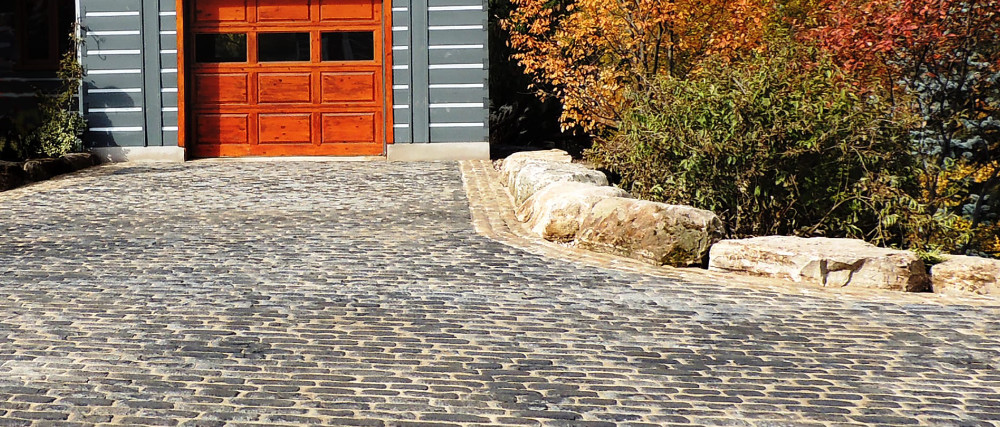
This step involves cleaning the sidewalks, as well as your driveway. If the maintenance of your paving stones and slabs should be done with a broom, make sure the polymeric sand does not come off. Ensure the joints are well filled. There should also be no sand on top. Otherwise, weeds could establish themselves. With a light stream of water, water it to fix it.
Paver sealing
To preserve paving stones, some environments are more favorable than others. Indeed, if your concrete or interlocking paver is quite pale for example, it could stain more quickly. In this case, it is recommended to apply a sealer. This blocks the pores of the paver. It also prevents absorption of organic materials at the base of stains. You must apply it at least one year after installation. It will need to be redone after 3 or 4 years.
Mulch turning
It is wise to turn the mulch at least once a year to prevent any compactness. Since mulch decomposes gradually, it would be best to add 1 to 2 inches per year. By doing so, you will refresh the color of the mulch while strengthening protection against weeds.
Fertilization
While some plants require plenty of fertilizer, a tiny amount would suffice for others. Therefore, only use your fertilizer where it is needed.
A thin layer of compost, potting soil or mulch would suffice to protect certain plants during germination and growth. Distribute these materials with a fertilizer spreader or by hand.
Too thick layers could compromise the plant's growth. It would therefore be wise to spread only the necessary amount.
You can add specific fertilizers according to each plant type. These fertilizers promote flowering or plant growth.
Opening the irrigation system
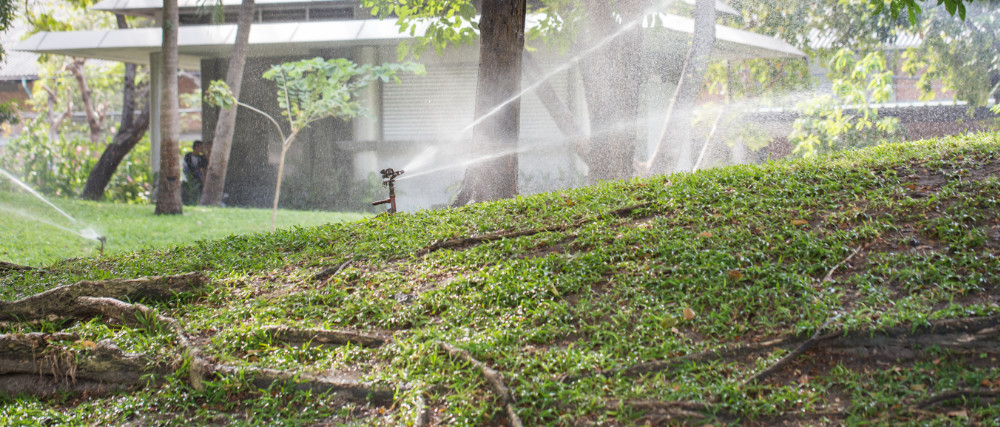
Do you have an irrigation system? If so, start it up when the ground has warmed up in mid-May. Restart it and set your controller to the "Run" position.
As a precaution, check the irrigation heads. Make sure the sprinklers are in working order. So, try opening one valve, close the zone after testing it, then move to the next. Over time, some nozzles may become misaligned. In this case, lift the sprinkler from its base and adjust it with a screwdriver.
If you are having difficulty succeeding at this task, it would be best to entrust it to a landscaper.
Replacing lighting system batteries
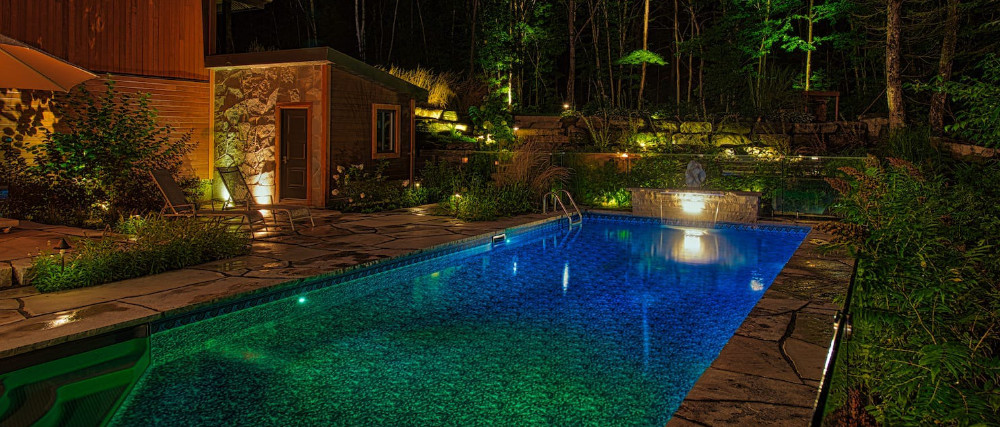
Do you have a quality landscape lighting system guaranteeing you light every evening? Like all computer systems, the maintenance phase is necessary for your lighting device. Therefore, change the two timer batteries at least once a year to maintain an intact program.
Furthermore, make sure to choose your tools wisely by prioritizing good quality manufacturing materials and focusing on your needs. While some equipment is necessary for yard opening, others are very useful. Good secateurs and a broom remain the best allies. If you want a quick yard opening, prioritize the leaf blower.
Maintain your wooden equipment
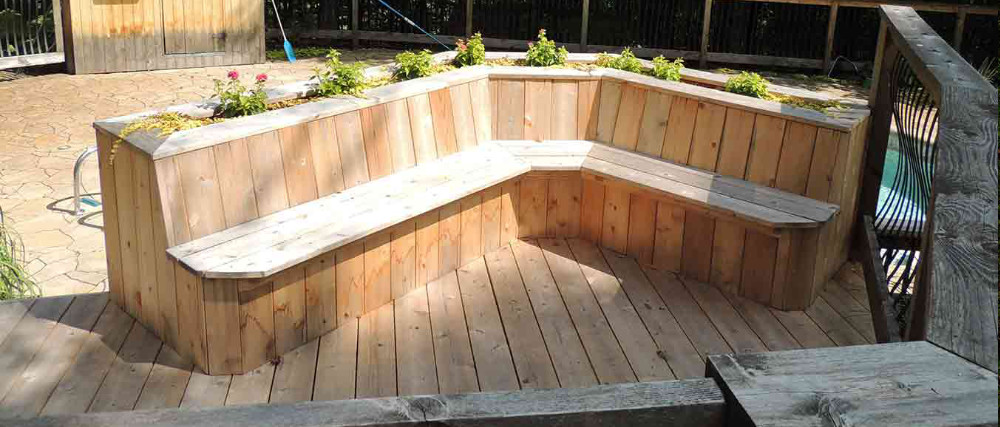
Decks, fences, pergolas... Your exterior carpentry may have suffered from weather conditions. Carefully check their condition and repair any damage. Do the same with your wooden garden furniture. Clean with warm water mixed with black soap, scrubbing with a stiff-bristled brush.
Cleaning and maintaining outdoor paving
If needed, pull out plants growing between the slabs or pavers, and redo the joints. Then scrub with a broom. For blackened slabs, baking soda or black soap can work wonders!
Prune your shrubs at the right time
Most shrubs were pruned in the fall, but some others are still waiting for a spring cleanup. Make sure to remove all dead wood. Don't forget to prune early your shrubs that bloom on new wood, such as your hydrangeas, Japanese spireas, elderberries, dogwoods, and others.
Yard spring cleaning and garden lounge preparation
Before anything else, do a big spring cleaning outside. After winter, your yard is strewn with all sorts of objects: rocks, branches, moss, leaves, waste brought by the wind. Pick them up while they are not yet hidden in the vegetation!
Once your yard opening is complete, set up your garden lounge. Bring out the deck chairs, umbrellas, cushions. Settle in comfortably and enjoy the beautiful days!
The entire Conception Horticole du Nord team wishes you a happy spring and success in your landscaping projects. If you have other garden tips to share, don't hesitate. Follow us on our Facebook page for even more tips.